
How to Apply for Medicare Benefits: A Step-by-Step Guide for Soon-to-Be Retirees
A step-by-step process for soon-to-be retirees on how to apply for Medicare benefits. Learn about the key Medicare parts, important enrollment deadlines, necessary forms, and options for additional coverage like Medicare Advantage and Medigap.
michael Bobo
10/25/20244 min read
How to Apply for Medicare Benefits: A Step-by-Step Guide for Soon-to-Be Retirees
As retirement approaches, one of the most critical tasks you’ll need to handle is applying for Medicare benefits. Medicare provides essential health insurance for people age 65 and older, as well as for some younger individuals with disabilities. Here’s a guide to help you navigate the process, ensuring that you don’t miss any key deadlines or forms.
Step 1: Understand the Basics of Medicare
Medicare is divided into several parts:
- Medicare Part A: Covers hospital care, skilled nursing facility care, hospice, and some home health care.
- Medicare Part B: Covers doctor visits, outpatient care, medical supplies, and preventive services.
- Medicare Part C (Medicare Advantage): Offered by private companies, combining Part A and Part B benefits, and often including prescription drug coverage and additional benefits.
- Medicare Part D: Provides prescription drug coverage.
Step 2: Know When You’re Eligible
You become eligible for Medicare when you turn 65. If you’re already receiving Social Security benefits, you will be automatically enrolled in Medicare Part A and Part B. However, if you aren’t receiving Social Security yet, you’ll need to manually sign up for Medicare.
For those with a disability, you’re eligible for Medicare after receiving Social Security Disability Insurance (SSDI) benefits for 24 months.
Step 3: Mark Key Deadlines
It’s essential to apply for Medicare during the right time frame to avoid late penalties.
- Initial Enrollment Period (IEP): This is a 7-month window that includes the three months before your 65th birthday, the month you turn 65, and the three months after. It’s best to sign up in the three months before you turn 65 to ensure coverage starts on time.
- General Enrollment Period (GEP): If you miss the IEP, you can sign up between January 1 and March 31 each year, but your coverage won’t begin until July 1, and you may incur a penalty.
- Special Enrollment Period (SEP): If you’re still working and covered under a group health plan, you can delay signing up for Medicare without penalty. Once you stop working or lose coverage, you have an 8-month SEP to sign up.
Step 4: Choose Your Medicare Coverage
Once you’re ready to apply, decide if you want Original Medicare (Parts A and B) or Medicare Advantage (Part C). You may also need to consider Part D for prescription drug coverage, depending on your health needs. If you opt for Original Medicare, you can also get a Medigap (Medicare Supplement Insurance) policy to cover out-of-pocket costs like co-pays and deductibles.
Step 5: Fill Out the Necessary Forms
Here are the forms you’ll need to complete based on your situation:
- Form CMS-40B (Application for Enrollment in Medicare Part B): If you’re not automatically enrolled in Medicare, this form is required to sign up for Part B.
- Form CMS-L564 (Request for Employment Information): If you're signing up for Medicare during a Special Enrollment Period because you had employer-based insurance, your employer must fill out this form to confirm your group health plan coverage.
- Form SSA-44 (Medicare Income-Related Monthly Adjustment Amount - Life-Changing Event): If your income has recently decreased and you’re paying more for Medicare based on a past, higher income, you can use this form to request a reduction.
These forms are available online at the Social Security website ([www.ssa.gov]) or the Medicare website ([www.medicare.gov]).
Step 6: Apply for Medicare
You can apply for Medicare in the following ways:
1. Online: Visit the Social Security website and apply for Medicare benefits. The process takes less than 10 minutes, and you won’t need to sign any documents in person.
2. Phone: Call Social Security at 1-800-772-1213 (TTY: 1-800-325-0778).
3. In Person: You can visit your local Social Security office to apply. Make sure to call ahead and schedule an appointment to reduce waiting time.
Step 7: Check for Confirmation
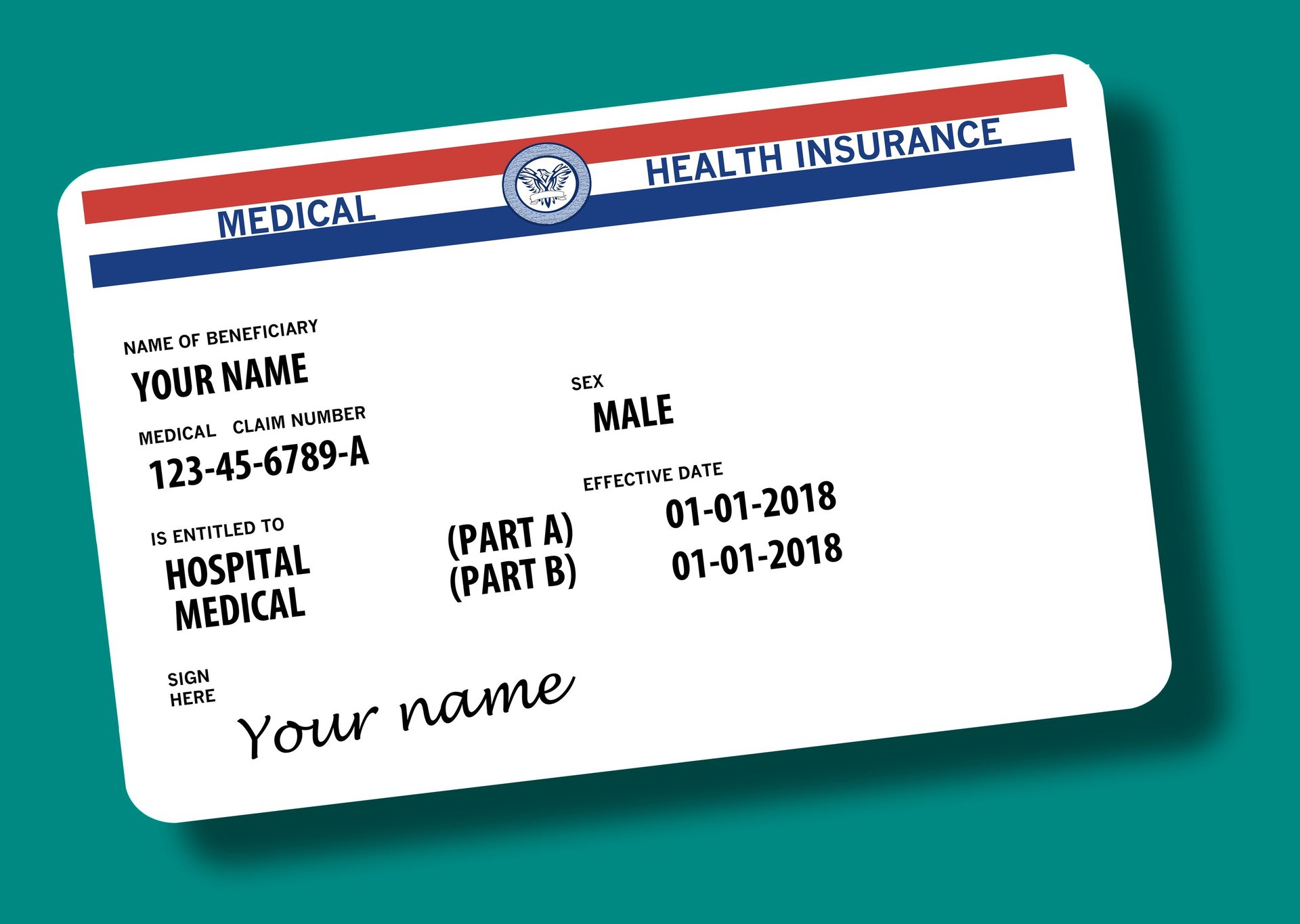
Once you’ve applied, Social Security will send you a Medicare card showing your coverage under Part A and/or Part B. This usually arrives within 2 to 4 weeks after applying. Be sure to double-check that your information is correct on the card.
Step 8: Consider Supplementing Your Medicare Coverage
If you choose Original Medicare (Parts A and B), you may want to purchase a Medigap policy to help pay for out-of-pocket costs like deductibles and co-payments. You have a 6-month open enrollment period to buy Medigap starting the first month you're 65 or older and enrolled in Part B. If you miss this 6-month open enrollment period you will have to through medical underwriting before qualifying for a Medicap Plan.
Alternatively, if you enroll in a Medicare Advantage Plan (Part C), these often include additional coverage such as dental, vision, and drug coverage, and $0 monthly premiums depending on the plan.
Final Tips for Applying for Medicare
- Don’t delay: Missing your Initial Enrollment Period can result in a 10% penalty for every 12 months you were eligible for Part B but didn’t sign up.
- Know your options: Take time to understand what each Medicare part covers and determine which combination of Original Medicare, Advantage, and Medigap policies is best for your health needs and financial situation.
- Review annually: Medicare plans, especially Advantage and Part D, can change from year to year. It’s wise to review your coverage during Open Enrollment (October 15 to December 7) to ensure your plan still meets your needs.
By following these steps, you’ll ensure that your transition into Medicare is smooth and that you receive the health care benefits you deserve.
Beachwood Insurance Solutions
Licensed Medicare guidance serving Michigan residents.
Important Disclosure:
We do not offer every plan available in your area. Currently, we represent multiple organizations which offer multiple products in your area. Please contact Medicare.gov, 1-800-MEDICARE, or your local State Health Insurance Assistance Program for information on all available options. Beachwood Insurance Solutions is not affiliated with or endorsed by the U.S. government or the federal Medicare program.
© 2026 Beachwood Insurance Solutions. All Rights Reserved.